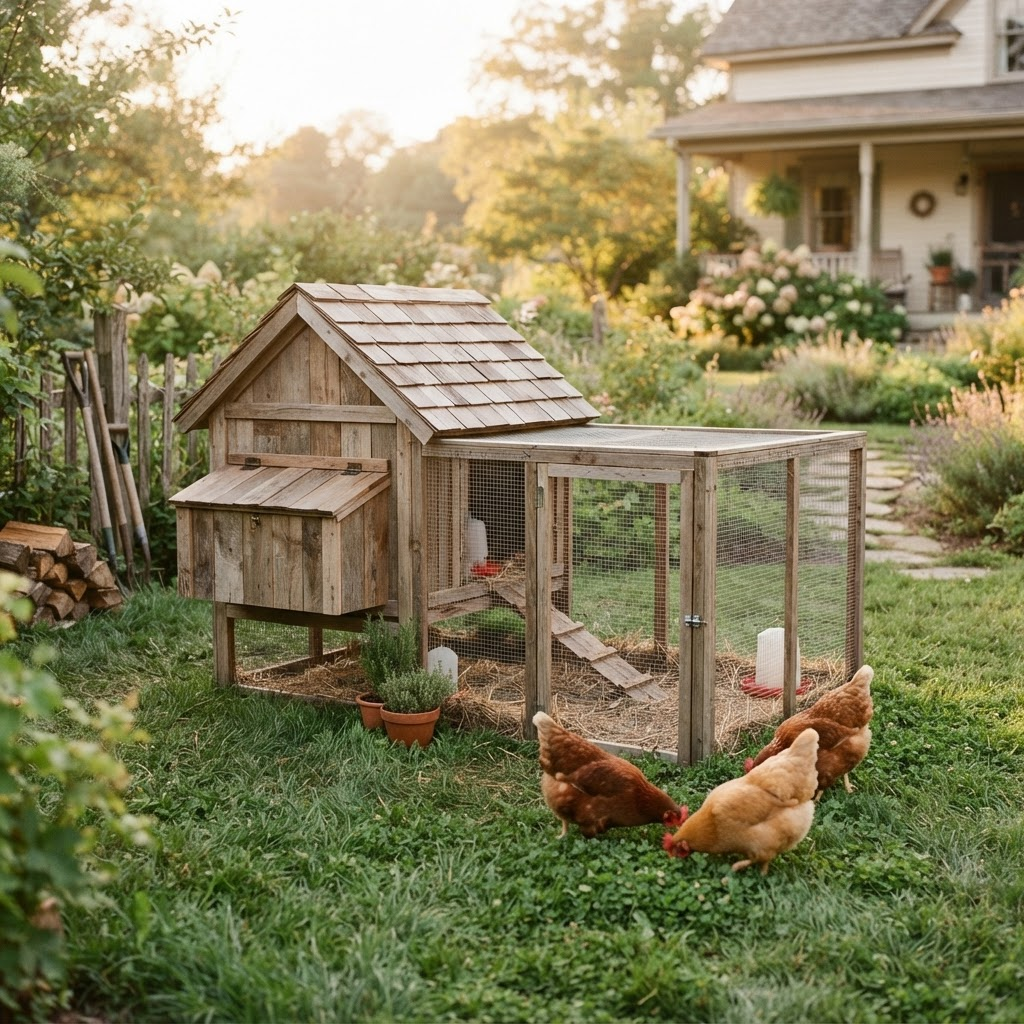
Backyard chickens have a funny way of starting with "it would be nice to have fresh eggs" and ending with a coop, a run, feeders, bedding, bags of feed, six hens with names, and a surprisingly strong opinion about poultry waterers.
The chickens themselves are usually the cheap part.
A day-old pullet may cost only a few dollars. The real investment is giving your flock a secure coop, predator-resistant run, proper feed, bedding, and equipment they can use for years.
So how much does it actually cost to raise chickens?
Chicken Costs at a Glance
| Expense | Typical Budget |
|---|---|
| Day-old female chick | ~$5–$13+ each |
| Started pullet | ~$30–$50+ each |
| Brooder setup | ~$75–$150 |
| Small-flock coop | ~$300–$1,300+ |
| Run / predator proofing | ~$100–$350+ |
| Feeder + waterer | ~$25–$100 |
| First bedding & feed | ~$20���$50 |
| 6-hen basic monthly costs | ~$25–$60 |
| 6-hen fuller monthly budget | ~$40–$100+ |
| Realistic startup for 4–6 hens | ~$600–$2,000+ |
These are planning ranges — not fixed prices.
Local lumber prices, feed costs, breed choice, climate, whether you build the coop yourself, and how much equipment you already own can move the total dramatically.
Current retail examples illustrate just how wide the range is: small-to-medium prefab coops are currently listed from roughly the mid-$200s into the $700 range, while larger backyard models reach about $1,000–$1,300.
How Much Do Baby Chicks Cost?
The bird itself is usually one of the smallest expenses in the entire project.
Current 2026 hatchery prices show standard female laying chicks commonly falling in roughly the $5–$7 range in small quantities, while some specialty breeds can reach roughly $13 per female chick or more. Cackle Hatchery, for example, currently lists female Black Sex Links at $5.99 for small orders, Delawares and Cuckoo Marans at $6.49, and specialty breeds such as Bielefelders at $12.99.
That means six ordinary pullet chicks might only cost $30–$45 before shipping, vaccination options, or minimum-order requirements.
Specialty breeds could push the same flock toward $60–$100+.
Pretty reasonable.
Until you realize they need somewhere to live.
Straight-Run Chicks vs. Pullets
Sex matters when you're pricing chicks.
Straight-run chicks
These have not been separated by sex with the same degree of certainty.
They are often cheaper.
But some may become roosters.
Pullet chicks
These are sold as female chicks.
They're usually more expensive because you're paying for sexing and the much higher probability that the bird becomes a hen.
For someone who primarily wants backyard eggs — and especially someone living where roosters aren't allowed — I'd usually pay the extra money for sexed pullets.
Saving two dollars on a chick isn't much of a bargain if you later have to figure out what to do with a rooster.
How Much Do Started Pullets Cost?
If you don't want to raise chicks from Day 1, you can buy older birds.
A started pullet is a young female chicken that has already made it through part or all of the brooding stage.
Near-laying-age birds cost much more than day-old chicks because someone else has already paid for:
- feed
- bedding
- electricity
- labor
- housing
- weeks or months of care
Current 2026 listings give a good feel for the market. Country Haven Farm currently lists started pullets at $39, and Polaris Hatchery lists 16-week Rhode Island Red pullets at $39.
So a useful planning number is around $30–$50+ per started pullet, with rare breeds and local markets potentially running higher.
Are Started Pullets Actually More Expensive?
Up front? Yes.
Overall? Not necessarily by as much as it appears.
A six-chick flock at $6 each costs $36.
Six started pullets at $40 each cost $240.
Big difference.
But chicks also require:
- brooder
- heat source
- chick feeder
- chick waterer
- bedding
- starter feed
- several months before laying
A current starter poultry kit containing a feeder, drinker, brooder lamp, and bulb is listed around $45, while individual brooder/heater products currently run around $58–$60.
So you're partly paying the pullet seller to do the expensive, time-consuming baby stage for you.
How Much Does a Chicken Coop Cost?
This is where the budget starts moving.
Current retail prices show small and medium prefab chicken coops ranging from a few hundred dollars to well over $1,000.
For example, current Tractor Supply listings include several advertised six-hen coops around $400, an 8–10 bird model around $510, a 12-hen model around $700, and larger coops near $1,300.
For planning purposes:
Basic prefab coop
~$300–$500
Larger / better-equipped backyard coop
~$500–$1,000
Large or premium coop
~$1,000–$3,000+
And custom construction can go far beyond that.
Don't Buy a Coop Based Only on the Bird Count
This is important.
The giant number on the box that says "HOLDS 8 CHICKENS!" is not necessarily the number I'd use.
Penn State Extension recently called out an advertised coop marketed for 6–8 hens that provided only about ½ square foot of indoor space per bird, describing that as inadequate.
Penn State's broader guidance suggests roughly 1–3 square feet of indoor coop space per average chicken, with around 5–10 square feet per bird outdoors for pastured or free-range-style setups.
So don't ask only, "How much does this coop cost?"
Ask instead: "How much does an appropriately sized coop cost for the flock I actually want?"
That may change the answer.
DIY Chicken Coop vs. Buying One
Building your own can save money.
But only if:
- you already own tools
- you can source materials affordably
- you know how to build something weather-resistant
- you predator-proof it correctly
- your time doesn't have to be priced like contractor labor
A DIY coop using reclaimed materials might cost only a few hundred dollars.
A well-built lumber-and-hardware-cloth coop can easily run into four figures once you add framing lumber, siding, roofing, hardware cloth, fasteners, hinges, locks, paint, nesting boxes, and roosts.
DIY means you control the cost.
It does not automatically mean cheap.
The Cost People Forget: Predator Proofing
I'd rather see someone spend extra money here than on a decorative chicken-coop sign.
Predators are one of the biggest practical threats to a backyard flock.
And true predator resistance often means using hardware cloth, secure latches, protected openings, and a properly constructed run — not simply wrapping the whole structure in lightweight poultry netting.
Current ½-inch hardware-cloth listings run from roughly $55–$140 for common 25–50 ft rolls, depending on width and gauge, with larger rolls reaching $200+.
So I'd budget $100–$350+ for run construction and predator-proofing on a small flock if it isn't already included in the coop.
Possibly much more for a large walk-in run.
Chicken Wire vs. Hardware Cloth
These are not interchangeable.
Chicken wire is good at keeping chickens in.
Hardware cloth is much better suited to keeping determined predators out.
If money is tight, I wouldn't make predator-proofing the place where I try to save the last $75.
That's one of those expenses you'll be very glad you made before you have a problem.
How Much Does a Chick Brooder Setup Cost?
If you're starting with baby chicks, you'll need a temporary indoor or protected brooder before they move into the coop.
Basic needs include:
- enclosed brooder
- heat source
- feeder
- waterer
- bedding
- chick starter feed
Current retail examples put a complete starter accessory kit around $45, chick brooder boxes around $37, and dedicated brooder/heater products around $58–$60.
So I'd budget roughly $75–$150 for a reasonable small chick brooder setup.
You can spend less by repurposing a suitable container.
You can also spend considerably more.
Chickens apparently have no upper limit on accessories available to them.
How Much Do Feeders and Waterers Cost?
This can be dirt cheap or surprisingly sophisticated.
Current poultry feeders range from basic small feeders around $10–$25 to enclosed or high-capacity models around $50–$80+.
Waterers show a similar range: basic small waterers can cost around $10–$25, while larger top-fill, heated, or specialty systems commonly run $40–$100+.
For a small flock, $25–$100 total is a reasonable planning range for basic adult feeding and watering equipment.
Don't automatically buy the most expensive system. I'd prioritize equipment that's easy to clean, minimizes waste, keeps feed and water reasonably clean, and works with your routine over fancy.
How Much Does Chicken Bedding Cost?
Compared with housing, bedding is cheap.
Current pine shavings are listed around $6–$6.50 for an 8-cu.-ft. expanded bale, while premium hemp bedding is around $23 for 150 L in current retail listings.
That's one reason pine shavings remain such a practical default.
For most small flocks, I'd budget roughly $5–$20 per month for bedding depending on coop size, cleaning method, bedding choice, moisture, flock size, and whether you're using deep litter.
Our guide to the Best Bedding for Chickens: Pine Shavings vs. Hemp, Straw & Sand goes deeper into choosing the right material.
How Much Chicken Feed Do Hens Eat?
Feed is the biggest predictable recurring expense.
Mississippi State Extension says an average laying hen consumes about ¼ to ⅓ pound of feed per day, depending on bird size, weather, and production level.
That means one laying hen eats approximately 7.5–10 pounds per month.
So six hens eat roughly 45–60 pounds per month, and ten hens eat roughly 75–100 pounds per month.
This makes feed budgeting pretty easy.
How Much Does Chicken Feed Cost?
Current conventional 50-pound layer feeds are listed around $16–$20 per bag, while a current organic 40-pound layer feed is around $25.50.
So your monthly feed bill depends heavily on what you're buying.
Six hens on conventional feed
45–60 lb/month ≈ $15–$25/month
Six hens on premium/organic feed
45–60 lb/month ≈ $28–$40/month
That's just feed. Treats are extra.
Monthly Chicken Feed Cost by Flock Size
Using the Extension consumption range of ¼–⅓ lb per hen per day and representative current feed prices:
| Flock Size | Feed Used / Month | Approx. Conventional Feed Cost |
|---|---|---|
| 4 hens | ~30–40 lb | ~$10–$16 |
| 6 hens | ~45–60 lb | ~$15–$25 |
| 8 hens | ~60–80 lb | ~$20–$32 |
| 10 hens | ~75–100 lb | ~$24–$40 |
| 12 hens | ~90–120 lb | ~$29–$48 |
Premium and organic feed can increase those numbers substantially.
And chickens with poor feeders can increase them all by themselves.
Feed Waste Is Money
This sounds obvious until you watch chickens shovel feed onto the ground.
Penn State specifically recommends keeping feeders at the proper height and avoiding overfilling them to reduce waste.
A more expensive feeder that saves feed may eventually pay for itself.
Likewise: $16 feed dumped onto the ground is not cheaper than $20 feed your chickens actually eat.
What About Oyster Shell and Grit?
These are small expenses, but they belong in the budget.
Current 5-pound bags of poultry grit and oyster shell sell for roughly $7 each.
Because a small flock uses these slowly, their monthly cost is usually minor. I'd budget $1–$5/month averaged over time.
Remember: grit helps chickens grind food, while oyster shell provides supplemental calcium to laying hens. They aren't the same product.
How Much Do 6 Chickens Cost Per Month?
Once the coop and equipment are paid for, six hens are not terribly expensive to maintain.
A reasonable basic monthly budget might look like this:
| Monthly Expense | 6-Hen Estimate |
|---|---|
| Feed | $15–$40 |
| Bedding | $5–$15 |
| Grit / oyster shell | $1–$5 |
| Treats | $0–$15 |
| Water / electricity | $0–$10 |
| Basic recurring total | ~$25–$60 |
| Emergency/vet savings | +$10–$30 |
| More realistic full budget | ~$40–$100 |
Those are planning figures.
A flock eating inexpensive conventional feed in a mild climate can land near the bottom.
A flock eating organic feed with heated winter waterers, premium bedding, enrichment products, and plenty of treats can cost considerably more.
A Realistic 6-Hen Startup Budget
Let's put everything together.
Assume you're starting with six female chicks and have no chicken equipment yet.
Budget Setup
| Item | Budget |
|---|---|
| 6 pullet chicks | $30���$80 |
| Brooder & chick equipment | $75–$150 |
| Coop | $300–$700 |
| Predator-proof run | $100–$250 |
| Adult feeder & waterer | $25–$60 |
| Bedding | $6–$15 |
| First feed | $15–$25 |
| Grit / misc. supplies | $15–$30 |
| Estimated Total | ~$565–$1,310 |
More Substantial Setup
| Item | Budget |
|---|---|
| Birds | $50–$100 |
| Brooder | $100–$150 |
| Better/larger coop | $700–$1,300 |
| Large secure run | $200–$500 |
| Better feeder/waterer | $60–$150 |
| Initial consumables | $50–$100 |
| Estimated Total | ~$1,160–$2,300+ |
That's why I tell new chicken keepers: budget for the infrastructure, not the chicks.
Can You Start Chickens for Less Than $500?
Absolutely. Especially if you:
- already own a shed or structure you can convert
- build the coop yourself
- use reclaimed lumber safely
- buy used equipment
- start with pullets instead of building a brooder
- already have fencing
- keep a small flock
Someone with an existing outbuilding could start for a fraction of what someone buying a brand-new coop and run will spend.
But don't reduce cost by sacrificing space, ventilation, predator protection, clean water, or proper nutrition.
Those aren't upgrades. They're the basics.
Hidden Costs of Keeping Chickens
The obvious costs are easy to plan for. The weird ones show up later.
Permits or local requirements
Some cities, counties, or HOAs have restrictions or permit requirements. Check before you build.
Penn State specifically recommends checking local ordinances and zoning rules before starting a backyard flock.
Replacing equipment
Plastic waterers crack. Feeders break. Latches fail. Hardware cloth rusts eventually.
A chicken coop is outdoor infrastructure. It doesn't last forever without maintenance.
Predator damage
One attempted raccoon break-in can suddenly turn into a Saturday morning hardware-store trip.
Winter equipment
Cold climates may require a heated waterer, a safe electrical setup, and additional weather protection.
Current heated poultry waterers alone can run roughly $50–$60.
Veterinary care
This is the hardest cost to predict.
Some flocks go years without significant veterinary expense. One sick or injured hen can change that quickly.
I would rather quietly set aside $10–$30/month than pretend chickens never need professional care.
Chicken sitting
Chickens require daily food, water, security, and observation.
Penn State specifically notes that small-flock owners need a plan for who will care for birds while they're away.
Vacation suddenly involves another logistical question.
Are Chickens Cheaper Than Buying Eggs?
Usually? Not if you're counting everything.
This is worth saying plainly.
Penn State Extension goes as far as stating that producing eggs in small flocks will always cost more than commercial egg production.
That's because commercial farms benefit from enormous purchasing power, specialized housing, high-production genetics, feed efficiency, automation, and scale.
Your six backyard hens do not — especially after you factor in a $1,000 coop.
Then Why Keep Chickens?
Because the value isn't just price per dozen eggs.
People keep chickens because they enjoy:
- knowing where their eggs came from
- caring for animals
- watching flock behavior
- garden manure and compost
- fresh eggs
- breed variety
- teaching children responsibility
- having chickens wandering around the backyard being chickens
If the only goal is "beat Walmart's egg price," I'd probably buy the eggs.
If the goal is "I want a backyard flock," that's a different calculation.
How Much Does One Dozen Backyard Eggs Cost?
This is difficult to answer honestly because you have to decide what counts.
Do you count:
Feed only?
Your eggs may look quite inexpensive.
Feed + bedding?
Still reasonable.
Feed + bedding + coop depreciation + equipment + health care + the hens?
Now that dozen gets more expensive.
And production changes through winter, molting, age, broodiness, and stress.
So don't build your entire chicken budget on the assumption that six hens will give you six eggs every single day.
Our guide to How Often Do Chickens Lay Eggs? Daily, Weekly & Yearly Expectations explains why.
Where I Would Spend More
If I were building a first flock, I'd spend money on:
Predator protection
Absolutely.
A properly sized coop
You can't fix severe overcrowding with fancy bedding.
A good waterer
Clean water is non-negotiable.
A feeder that reduces waste
Feed is your biggest recurring bill.
Quality complete feed
The ration is the nutritional foundation of the flock.
Where I Would Save Money
I would save on:
Decorative coop accessories
Your chickens do not care if the egg basket matches the coop door.
Fancy treats
Treats are optional.
Complicated supplement routines
A complete feed should do most of the nutritional heavy lifting.
Overbuilt chick equipment you'll use for six weeks
Repurpose when safe and practical.
Products solving problems you don't have
Don't buy parasite products for a flock without parasites just because somebody's TikTok cart says you need them.
Do You Need Every Chicken Product in the Feed Store?
No. You need surprisingly little.
A functioning adult setup requires:
- shelter
- predator protection
- feed
- water
- bedding / floor management
- nesting boxes
- roosts
- appropriate grit and calcium access where needed
Most of the rest is optional.
That's actually one of the recurring themes throughout Roosted: get the basic environment right first. Then decide which extras genuinely improve your routine.
Starting With Chicks vs. Pullets: Which Is Cheaper?
Chicks
Lower purchase price but more equipment, feed, and waiting.
Started pullets
Higher purchase price but less brooder equipment, less waiting, and closer to eggs.
For only 4–6 backyard hens, started pullets may make more financial sense than many first-time owners initially assume — especially if you have no interest in the baby-chick stage itself.
A Simple First-Flock Budget
If you just want one number to work with:
If you're building something substantial? Think more like $1,500–$2,500+.
And if you already own a suitable structure? You may come in far below both.
The Bottom Line: How Much Do Chickens Cost?
The chickens themselves aren't expensive. Housing is.
For a small backyard flock:
Baby chicks
Expect roughly $5–$13+ each.
Started pullets
Expect roughly $30���$50+ each.
Coop + run + equipment
Expect roughly $500–$2,000+ depending on what you build or buy.
Monthly care for 6 hens
Expect roughly $25–$60 in core recurring supplies, or around $40–$100 if you include premium feed, treats, utilities, and some emergency savings.
So yes: you can buy six chickens for less than dinner out.
Getting those six chickens properly housed, protected, fed, and cared for? That's the real investment. And that's the number worth planning for.
Chicken Cost FAQ
How much does one chicken cost?
A day-old female laying chick often costs roughly $5–$13+, depending on breed and hatchery. Started pullets closer to laying age commonly cost around $30–$50+.
How much does it cost to start raising chickens?
For 4–6 hens starting from scratch, I'd budget roughly $600–$2,000+. The coop and secure run make up most of that amount.
How much does it cost to keep 6 chickens per month?
A basic budget is around $25–$60/month for feed, bedding, and routine consumables. A fuller budget including premium feed, treats, electricity, and health-care savings may reach $40–$100+.
How much feed do 6 chickens eat per month?
An average laying hen consumes around ¼–⅓ lb of feed per day, so six hens may eat approximately 45–60 pounds per month.
How much does chicken feed cost per month?
Six hens on conventional feed may cost roughly $15–$25/month at representative current feed prices. Premium and organic feed may put the same flock closer to $30–$40/month.
Is it cheaper to buy chicks or hens?
Chicks have a much lower purchase price. Started pullets cost more but eliminate much of the brooder stage and move you closer to egg production. The total difference is smaller than the price-per-bird difference suggests.
How much does a chicken coop cost?
Small prefab coops commonly start around $300–$500, while larger or more substantial backyard coops commonly run $500–$1,300+. Custom or premium setups can cost several thousand dollars.
Are backyard chickens cheaper than buying eggs?
Usually not after you account for housing, equipment, feed, bedding, and care. Most people keep backyard chickens for reasons beyond the lowest possible cost per dozen eggs.
How many chickens should a beginner start with?
A small flock of around 4–6 hens is manageable for many new keepers while still providing a meaningful number of eggs. Before deciding, make sure your coop and run have enough space for the number of birds you're considering.
Do I need a rooster?
No. Hens lay eggs without a rooster. You only need a rooster if you want fertile eggs for hatching.
Sizing waterers for your setup? Use the Chicken Water Calculator →
Keep Reading
Planning your coop? Chicken Nesting Boxes: Size, Dimensions, How Many You Need & Where to Put Them
Choosing floor bedding? Best Bedding for Chickens: Pine Shavings vs. Hemp, Straw & Sand
Wondering how many eggs you'll actually get? How Often Do Chickens Lay Eggs? Daily, Weekly & Yearly Expectations
Waiting for your first eggs? When Do Chickens Start Laying Eggs? Age, Signs & What to Expect
Building a dust-bathing area? Chicken Dust Bath: What to Put In It, How to Make One & What to Avoid