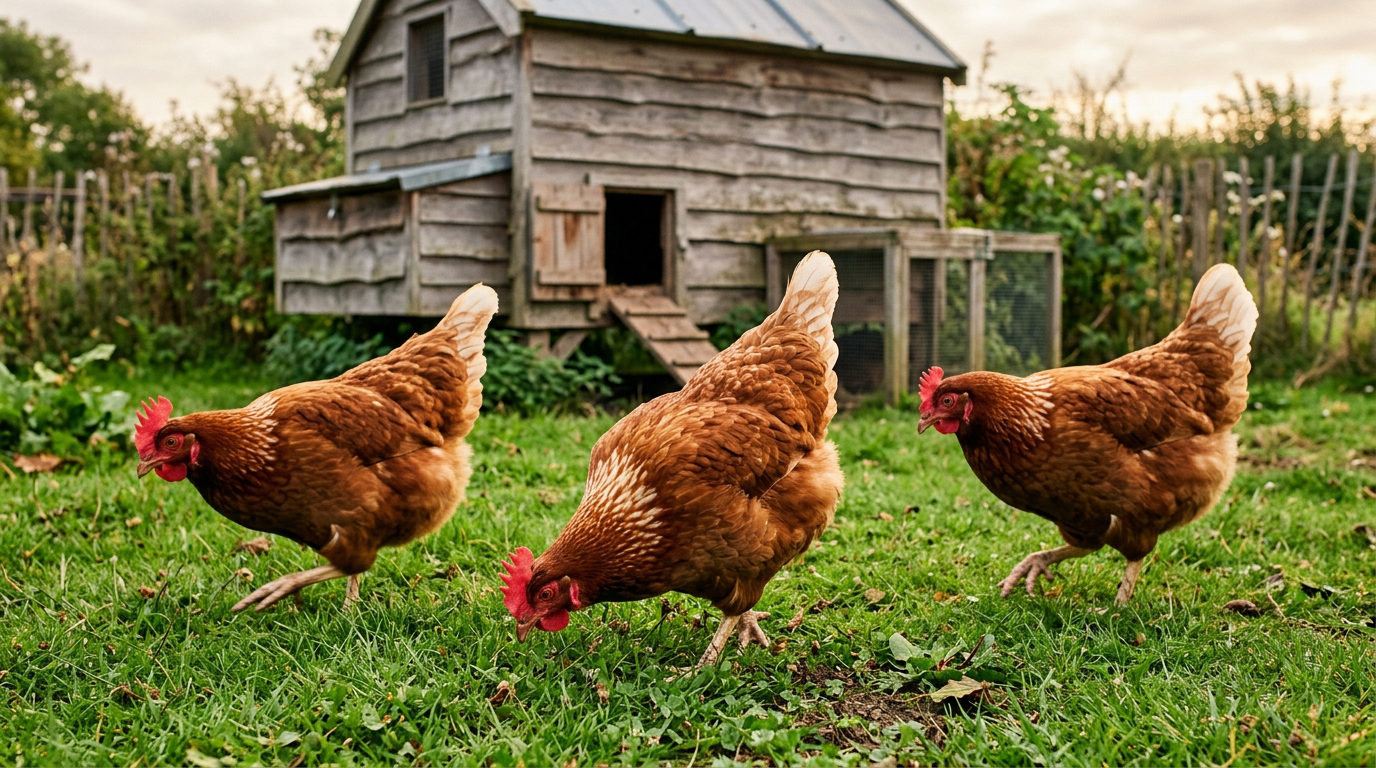
If you've ever wondered which chickens lay the most eggs, you've probably come across the ISA Brown.
These reddish-brown hens have built a reputation for producing an impressive number of eggs. Under favorable conditions, a productive ISA Brown can lay more than 300 brown eggs in a year.
That's nearly an egg a day during some of her most productive periods.
But there's something important about ISA Browns that makes them different from traditional backyard breeds.
ISA Browns are commercial hybrid chickens, specifically developed for high egg production.
They're not heritage chickens like Rhode Island Reds or Barred Rocks, and they weren't originally developed around ornamental appearance or preserving a traditional farm breed.
Their breeding program emphasizes egg numbers, feed efficiency, early maturity, and sustained production.
For someone who wants a reliable supply of brown eggs, those qualities can be extremely appealing.
But what happens as an ISA Brown gets older? How long does she continue laying? And does such intense egg production affect her health or lifespan?
Those questions matter just as much as the number of eggs in your basket.
Here's what to know about ISA Brown chickens before adding them to your backyard flock.
ISA Brown Chicken Quick Facts
| Trait | ISA Brown Chicken |
|---|---|
| Origin | France |
| Development | Commercial breeding program beginning in the 1970s |
| Type | Commercial red sex-link hybrid |
| Traditional heritage breed | No |
| APA-recognized breed | No |
| Primary purpose | High-volume brown egg production |
| Mature hen weight | Approximately 4.3 lb in official commercial performance targets |
| Rooster weight | Varies; no standardized breed weight |
| Egg color | Light to medium brown |
| Egg size | Generally large |
| Annual egg production | Approximately 300–320 in productive, well-managed lines |
| First laying age | Often around 18–22 weeks |
| Temperament | Generally calm, docile, manageable |
| Broodiness | Usually low |
| Comb type | Single |
| Feathered feet | No |
| Sex-linked | Yes |
| Breeds true | No |
| Climate adaptability | Adaptable, with appropriate management |
| Foraging | Normal foraging behavior; degree varies |
| Beginner-friendly | Generally yes |
| Main strength | Exceptionally high brown-egg production |
| Main consideration | Long-term reproductive health and nutrition |
The key distinction is that these numbers describe the performance potential of a production-focused hybrid.
They're not a guarantee that every ISA Brown in a backyard flock will follow the same timeline.
What Is an ISA Brown Chicken?
An ISA Brown is a commercial hybrid chicken developed specifically for efficient brown egg production.
The name comes from Institut de Sélection Animale, the French poultry breeding organization behind the ISA program.
That organization emerged from poultry breeding efforts in France during the 1970s and later became part of Hendrix Genetics.
Today, ISA Brown genetics are used in commercial egg production worldwide.
But ISA Browns aren't limited to commercial farms.
They've also become popular backyard chickens because many of the same characteristics that make them productive commercial layers are useful for households keeping a small flock.
What Makes ISA Browns Different?
Traditional chicken breeds were often developed around several characteristics.
A Rhode Island Red, for example, has an established breed standard describing body shape, color, weights, and other features.
ISA Browns are different.
They come from a specialized commercial breeding program designed to produce birds with particular performance characteristics.
Those characteristics include:
- High annual egg production
- Early reproductive maturity
- Efficient feed conversion
- Consistent brown egg color
- Good egg size
- Sustained laying performance
- Manageable temperament
The parent breeding lines are maintained by the commercial breeding program.
That means an ISA Brown is not simply a purebred chicken that you can reproduce at home and expect identical offspring.
We'll explain why that matters in a moment.
How Many Eggs Do ISA Brown Chickens Lay?
ISA Brown chickens commonly produce approximately 300–320 brown eggs annually under favorable conditions, making them among the highest-producing backyard laying options.
Utah State University Extension lists ISA Browns at approximately 300–320 eggs per year.
That range is a useful planning estimate for productive birds, particularly during their early laying years.
However, actual results vary.
An ISA Brown kept in a backyard doesn't automatically receive the same nutrition, lighting, flock management, and environmental conditions as a commercial production flock.
How Many Eggs Do ISA Browns Lay Per Week?
During strong laying periods, a productive ISA Brown may lay approximately six eggs per week.
Some hens may lay on consecutive days for extended periods.
But don't expect every chicken to lay exactly six eggs every week.
Normal production varies because of:
- Age
- Genetics
- Daylight
- Molting
- Nutrition
- Health
- Temperature
- Stress
- Individual differences
A hen that lays consistently during spring may produce fewer eggs during winter.
And a hen that's getting older may gradually slow down even when her diet and environment remain unchanged.
ISA Brown Egg Production by Flock Size
Using 300–320 eggs per hen annually as a strong-production planning estimate:
| Number of Hens | Estimated Annual Eggs |
|---|---|
| 2 | 600–640 |
| 3 | 900–960 |
| 4 | 1,200–1,280 |
| 6 | 1,800–1,920 |
| 8 | 2,400–2,560 |
These totals are calculations based on the published annual range, not predictions for individual flocks.
Four productive ISA Brown hens could theoretically supply around 100 eggs per month when annual production is averaged across the year.
That's a substantial amount of eggs for a small backyard flock.
But production won't be distributed evenly across every month.
Use the Roosted Chicken Egg Production Calculator to estimate your flock's output using breed, age, and seasonal conditions.
Do ISA Browns Lay Eggs Every Day?
They can lay almost daily during their most productive periods.
But no chicken should be expected to produce one egg every single day throughout her life.
Egg formation takes time, and laying hens naturally have periods when production slows or pauses.
The realistic goal isn't forcing a hen to lay every day.
It's maintaining a healthy bird whose reproductive system is supported by appropriate nutrition and care.
Roosted Note
If your ISA Brown lays fewer eggs than an online breed chart predicts, don't immediately assume something is wrong.
Start by looking at her age, season, diet, and overall behavior.
Breed estimates describe potential production. Your actual flock tells you what's happening.
Can ISA Browns Really Lay 500 Eggs?
You may have seen the claim that an ISA Brown can lay 500 eggs.
That figure comes from the official ISA breeding program, but it needs context.
The breeder's commercial performance data describes production across an extended laying period, not 500 eggs in a single year.
ISA's published targets include:
| Commercial Performance Measure | ISA Brown |
|---|---|
| Laying-period ages | 18–100 weeks |
| Age at 50% flock production, cage systems | 145 days |
| Age at 50% flock production, alternative systems | 150 days |
| Peak production rate | Approximately 97% |
| Eggs per hen housed, cage systems | 476 |
| Eggs per hen housed, alternative systems | 470 |
| Average egg weight | 62.5 g |
The company also reports that its chickens are capable of producing up to 500 first-quality eggs under its extended production program.
These figures represent managed commercial flock performance over approximately 82 weeks of laying age.
They aren't a promise that a backyard ISA Brown will lay 500 eggs, or that she'll produce that number in one calendar year.
What Does "Eggs Per Hen Housed" Mean?
It's a commercial production metric.
The total number of eggs produced by the flock is divided by the number of hens originally housed.
This differs from counting eggs only among the birds still laying at the end of the period.
It's useful for evaluating commercial flock performance, but it shouldn't be confused with the expected lifetime egg total for one backyard hen.
Why This Distinction Matters
A breeder's performance table can be valuable.
But a backyard chicken owner wants to know something slightly different:
How many eggs can I reasonably expect from my hens, and how should I care for them as they grow older?
For most backyard planning, the annual 300–320 range is easier to understand than a commercial flock's cumulative egg target.
Both have their place.
They simply answer different questions.
When Do ISA Brown Chickens Start Laying Eggs?
Many ISA Brown pullets begin laying around 18–22 weeks old, although individual timing varies.
They're considered early-maturing layers.
The official ISA performance targets report that commercial flocks reach 50% production at approximately 145–150 days of age.
That's around 21 weeks.
However, reaching 50% flock production isn't the same as every hen laying her first egg at that exact age.
Some pullets begin earlier.
Others take longer.
Signs Your ISA Brown Is Getting Ready to Lay
Watch for:
- A redder, more developed comb and wattles
- Increased interest in nesting boxes
- Squatting when approached
- Changes in vocalization
- More mature body development
- Spending additional time around preferred nesting areas
A pullet may begin investigating nesting boxes before she's ready to produce an egg.
That's normal.
Can Winter Delay the First Egg?
Yes.
Daylight influences laying activity.
An ISA Brown that reaches maturity during shortening autumn days may begin later than expected, particularly when kept without supplemental lighting.
Health, nutrition, and environmental conditions also matter.
If your pullet hasn't laid at exactly 18 weeks, don't assume there's a problem.
Our First Egg Calculator can help estimate the expected laying window.
For the broader timeline, read When Do Chickens Start Laying Eggs?.
How Long Do ISA Brown Chickens Lay Eggs?
ISA Browns often produce exceptionally well during their early laying years.
But egg production and lifespan are two different things.
A hen doesn't stop being a healthy chicken simply because she's producing fewer eggs.
And commercial flock management doesn't define when an individual backyard chicken must stop laying.
ISA Brown Egg Production as They Age
| Stage | What to Expect |
|---|---|
| Before laying | Growing pullet developing toward reproductive maturity |
| Early laying period | Strong increase in production as the hen matures |
| First laying year | Often the highest annual egg output |
| Second laying year | May remain highly productive, with variation by bird and management |
| Third laying year and beyond | Production generally declines with age, although some hens continue laying |
| Older age | Eggs may become less frequent; health and comfort remain the priorities |
These are broad age-related tendencies, not exact production deadlines.
University of Florida IFAS Extension explains that many hens experience significant production declines after their first two or three years.
However, modern commercial breeding programs also emphasize maintaining production for longer periods.
ISA's own performance data reflects this interest in extended laying cycles.
Do ISA Browns Stop Laying After Two Years?
No.
There isn't a biological switch that permanently stops an ISA Brown from laying on her second birthday.
Some hens continue laying for several additional years.
What usually changes is the rate and consistency of production.
A hen that once produced six eggs weekly might eventually produce only a few.
That's not necessarily a sign that she's unhealthy.
But a sudden production drop combined with other symptoms deserves attention.
What Is Productive Laying Lifespan?
Productive laying lifespan refers to the period during which a hen produces eggs at a rate considered useful for a particular purpose.
For a commercial operation, that may be evaluated economically.
For a backyard keeper, the definition can be much more flexible.
A family may happily keep a hen that produces only two eggs a week.
Another family may continue caring for an older hen even when she stops laying entirely.
Neither situation determines the bird's biological lifespan.
How Long Do ISA Brown Chickens Live?
There is no well-established, universally reliable lifespan range that applies to every ISA Brown kept in a backyard flock.
This is important because online descriptions sometimes state that ISA Browns only live two or three years.
That's too definite.
Utah State University Extension identifies high-producing hybrids such as ISA Browns as having potential longevity tradeoffs compared with some heritage breeds.
Veterinary literature also documents reproductive and skeletal problems in high-producing laying hens.
But that doesn't establish an exact age at which every ISA Brown will die.
Why Do People Say ISA Browns Have Short Lifespans?
Part of the confusion comes from commercial egg production.
Commercial operations evaluate chickens according to a managed production cycle.
A flock may be replaced when egg output, feed economics, or management plans make replacement appropriate.
Commercial replacement age is not the same as biological lifespan.
A hen leaving commercial production at a particular age doesn't prove she would be unable to live longer.
Another factor is the physical demand of sustained egg production.
Highly productive hens require considerable nutritional support, and reproductive problems can affect their health.
That deserves attention, but it shouldn't be turned into a claim that every ISA Brown develops the same disease or dies at the same age.
Can ISA Browns Live Beyond Their Peak Laying Years?
Yes.
A backyard ISA Brown can remain part of the flock after her highest-production years.
Her long-term health depends on multiple factors, including:
- Genetics
- Nutrition
- Reproductive health
- Skeletal health
- Housing
- Predator protection
- Parasite and disease management
- Access to veterinary care
Rather than treating two or three years as an expiration date, monitor the individual hen.
A productive hybrid deserves appropriate care at every stage of life, including when she becomes an older, less productive bird.
Roosted Note
If you're choosing ISA Browns, consider your long-term flock philosophy before buying chicks.
Are you keeping chickens only while they produce large numbers of eggs, or will they remain part of your flock after production declines?
There's no need to make this complicated.
Just remember that a chicken's care needs don't disappear when the egg basket gets lighter.
Are ISA Brown Chickens Prone to Health Problems?
ISA Browns aren't automatically unhealthy chickens.
But their high egg-production potential makes proper nutrition and reproductive-health monitoring especially important.
Producing an eggshell requires calcium.
Maintaining frequent egg production also places demands on the reproductive system.
These are normal biological processes, but problems can develop when nutrition, health, or reproductive function is disrupted.
Calcium and Bone Health
The Merck Veterinary Manual documents calcium-related problems in laying hens, including osteoporosis and hypocalcemia.
Calcium is essential for eggshell formation.
If a laying hen doesn't receive enough calcium or other necessary nutrients, her body may draw calcium from skeletal reserves.
Over time, serious imbalances can contribute to weakened bones and other health problems.
High egg output makes a properly balanced diet particularly important.
Reproductive Problems
Veterinary literature describes several conditions that can affect laying hens, including:
- Egg binding
- Oviductal problems
- Reproductive infections
- Egg-related coelomitis, sometimes called egg yolk peritonitis
- Oviductal prolapse
These are not conditions unique to ISA Browns.
Nor is there evidence that every ISA Brown will develop them.
However, owners of highly productive layers should know the warning signs.
Signs That Require Attention
Watch for:
- Repeated straining
- Unusual abdominal swelling
- Persistent lethargy
- Refusing food or water
- Difficulty standing or walking
- A penguin-like upright stance accompanied by distress
- Sudden weakness
- Abnormal discharge
- A sudden laying change combined with obvious illness
These symptoms can have multiple causes.
Don't assume a hen is egg-bound based on one behavior, and don't attempt invasive home treatments.
If you suspect egg binding or another serious reproductive problem, seek prompt care from a veterinarian experienced with poultry.
How to Support a High-Producing Hen
The practical steps aren't exotic.
- Provide a complete, appropriately formulated laying ration.
- Ensure laying hens receive adequate calcium.
- Maintain continuous access to clean water.
- Keep the coop dry and properly ventilated.
- Provide enough room for natural movement.
- Monitor body condition and activity.
- Watch for changes in egg quality and production.
- Address illness promptly.
You cannot prevent every reproductive problem.
But good daily management supports a productive hen without treating her like a machine.
Are ISA Browns a Breed or a Hybrid?
ISA Browns are commercial hybrids, not a traditional standardized chicken breed.
This is one of the most important distinctions in this guide.
The University of Maine Cooperative Extension includes ISA Browns among its commercial brown-egg crosses.
Unlike traditional purebred chickens, the ISA Brown comes from a managed commercial breeding program using specialized parent populations.
That means the hybrid's particular combination of traits is produced through its breeding system.
Can You Breed ISA Browns True?
No.
Mating an ISA Brown rooster to an ISA Brown hen doesn't reliably reproduce the original commercial ISA Brown combination.
The offspring may inherit different combinations of their parents' genes.
As a result, they may vary in:
- Feather color
- Body size
- Egg production
- Temperament
- Egg characteristics
- Hatch-day sex-linked coloring
Washington State University's Extension response on ISA Brown breeding specifically explains that producing the commercial hybrid requires its parent breeding stock.
Hendrix Genetics also states that breeding two commercial sex-link hybrids together doesn't recreate their hatch-day sex-link characteristics.
Can ISA Brown Hens Lay Fertile Eggs?
Yes.
Like other hens, ISA Browns can produce fertile eggs when mated with a fertile rooster.
But fertile eggs aren't the same as true-breeding offspring.
You may successfully hatch chicks from an ISA Brown hen without producing another genuine commercial ISA Brown.
Are ISA Browns Sex-Link Chickens?
Yes.
ISA Browns belong to the red sex-link category.
Their commercial breeding genetics produce differences in the down coloring of male and female chicks.
That makes hatch-day sex identification possible.
How Can You Tell Male and Female ISA Brown Chicks Apart?
Hendrix Genetics provides a color-sexing guide for ISA Brown and related commercial brown-egg hybrids.
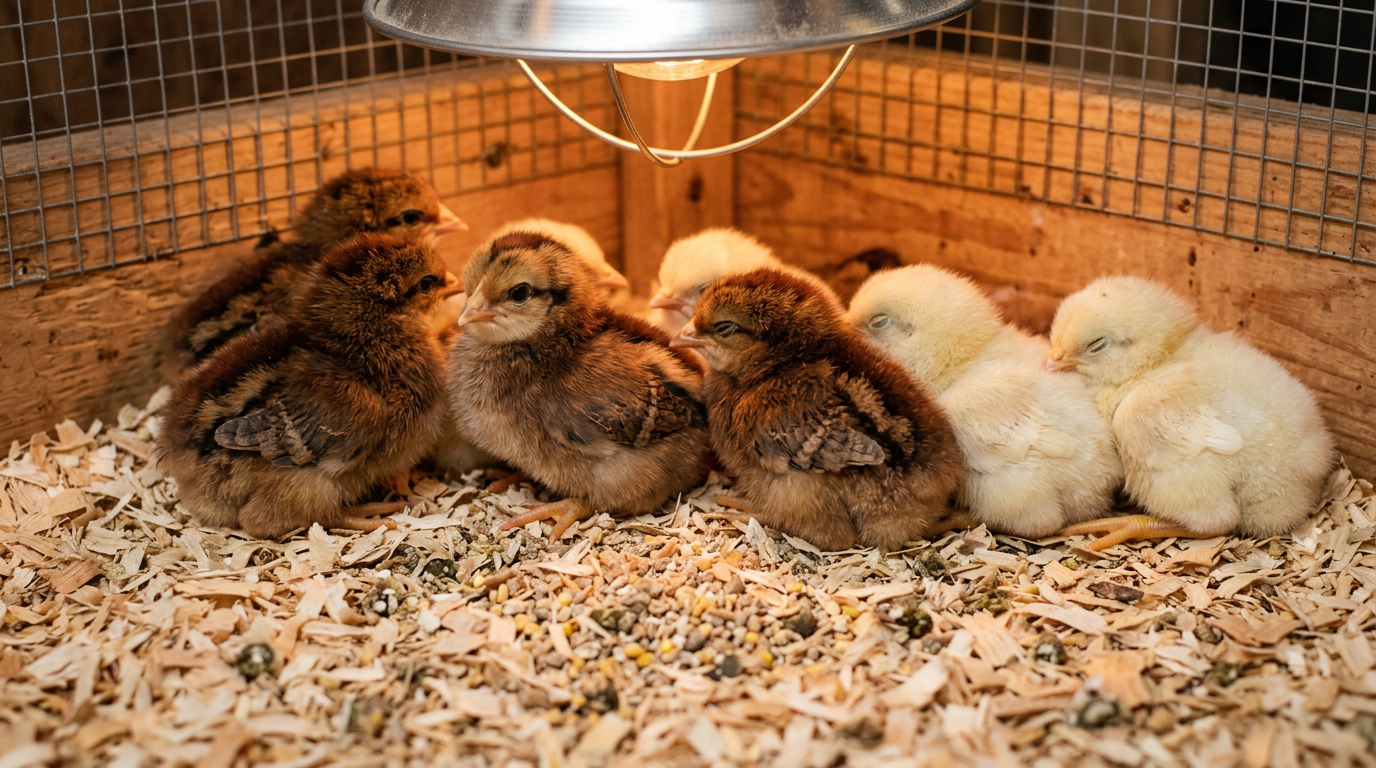
Female chicks generally have brown down.
Male chicks generally have yellow or white down.
| Trait | Female ISA Brown Chick | Male ISA Brown Chick |
|---|---|---|
| Typical down color | Brown or reddish-brown | Yellow or white |
| Back markings | Sometimes a lighter stripe | May show faint brown striping |
| Adult role | Brown-egg-laying hen | Rooster |
| Hatch-day identification | Usually identifiable by color | Usually identifiable by color |
There are exceptions to the typical patterns.
Hendrix Genetics documents female chicks with lighter markings and male chicks with darker stripes.
That means visual sexing is useful but still requires proper training and attention.
Is Sex-Link the Same as Autosexing?
Not exactly.
An established autosexing breed, such as the Cream Legbar, can maintain its inherited hatch-day sex differences through appropriate within-breed mating.
A commercial red sex-link hybrid is produced through a specific cross of parent lines.
When two commercial hybrids are bred together, that original sex-link pattern doesn't reliably repeat in the next generation.
This distinction matters if you want to raise and breed your own chickens.
What Do ISA Brown Chickens Look Like?
ISA Brown hens usually have reddish-brown or chestnut-colored feathers.
Some have lighter cream or white feathers around the tail or other parts of the body.
Their appearance is practical rather than ornamental.
Typical characteristics include:
- Reddish-brown body feathers
- Occasional cream or white feathering
- Red single comb
- Red wattles
- Yellow legs
- Clean, unfeathered feet
- Medium-sized body
- Conventional layer-type build
They can resemble Rhode Island Reds, Golden Comets, and other reddish-brown laying chickens.
But similar appearance doesn't mean identical genetics.
How Big Do ISA Brown Chickens Get?
Official ISA Brown commercial performance data lists a body weight of approximately 1,950 grams, or about 4.3 pounds.
That's a commercial target rather than a breed-standard weight.
Since ISA Browns are hybrids, they don't have the same standardized adult size requirements as traditional exhibition breeds.
Individual hens may be somewhat larger or smaller.
For backyard planning, consider them medium-sized laying birds rather than heavy dual-purpose chickens.
What Do ISA Brown Roosters Look Like?
Male ISA Browns typically have much lighter feather coloring than the reddish-brown hens.
Depending on the commercial line, mature males may be predominantly white or cream with additional reddish markings.
However, rooster appearance can vary.
If you're buying chicks or breeding birds, don't rely on generic photographs of red sex-links to identify the exact commercial parentage.
What Color Eggs Do ISA Brown Chickens Lay?
ISA Brown chickens lay brown eggs, generally ranging from light to medium brown.
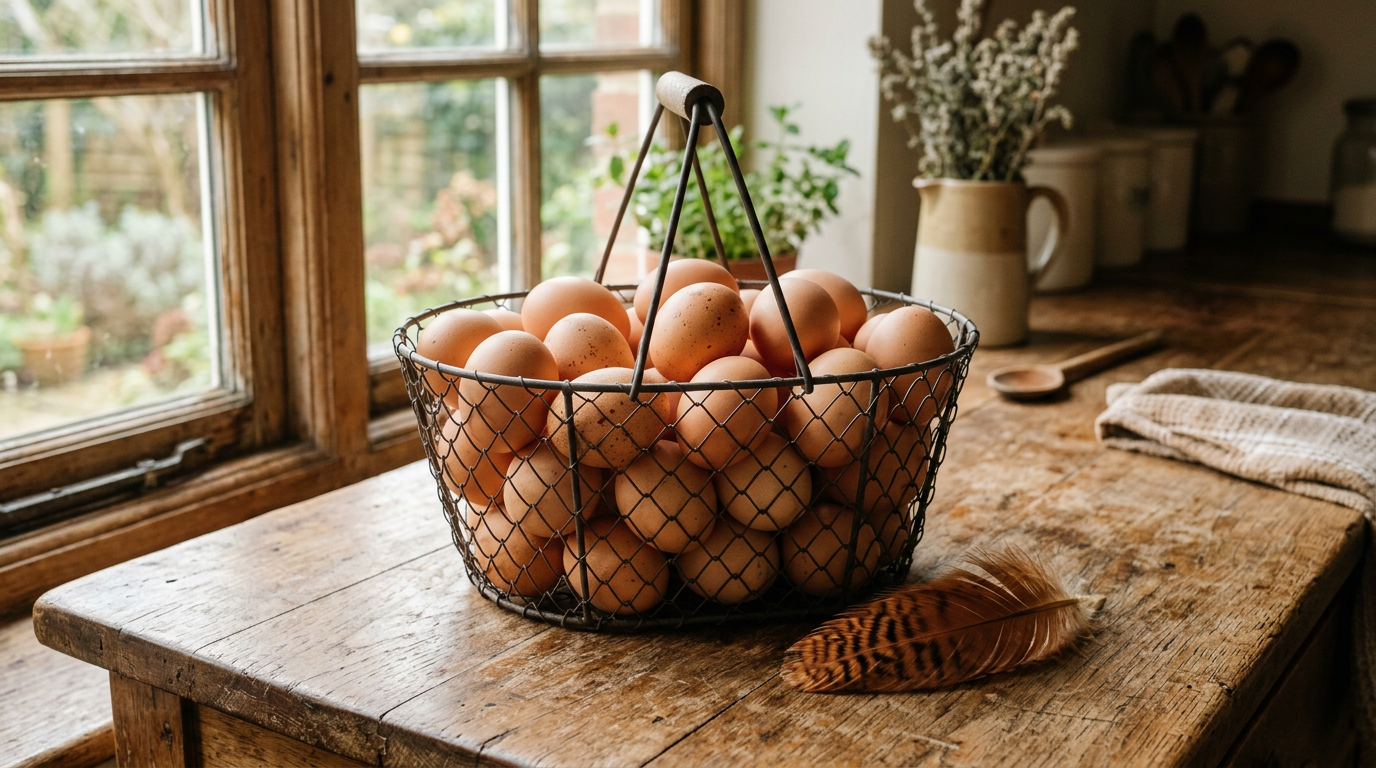
Their eggs are typically large once hens reach maturity.
ISA's commercial performance specifications list an average egg weight of approximately 62.5 grams across the documented production period.
That corresponds broadly to the large egg category in common U.S. grading systems.
Do ISA Browns Lay Dark Chocolate-Brown Eggs?
Not typically.
Their shell color is brown, but they aren't specifically bred for the very dark chocolate-colored shells associated with some Marans lines.
ISA breeding places strong emphasis on consistent commercial egg quality.
If you specifically want unusually dark brown eggs, another breed may be a better fit.
Are Brown Eggs Healthier Than White Eggs?
Not inherently.
Eggshell color is largely determined by genetics.
White eggs and brown eggs can both be nutritious when produced by healthy hens receiving appropriate diets.
Choosing ISA Browns because you prefer brown shells is perfectly reasonable.
Just don't confuse shell color with a guarantee of superior nutrition.
Are ISA Brown Chickens Friendly?
ISA Browns generally have a reputation for being calm, docile, and easy to manage.
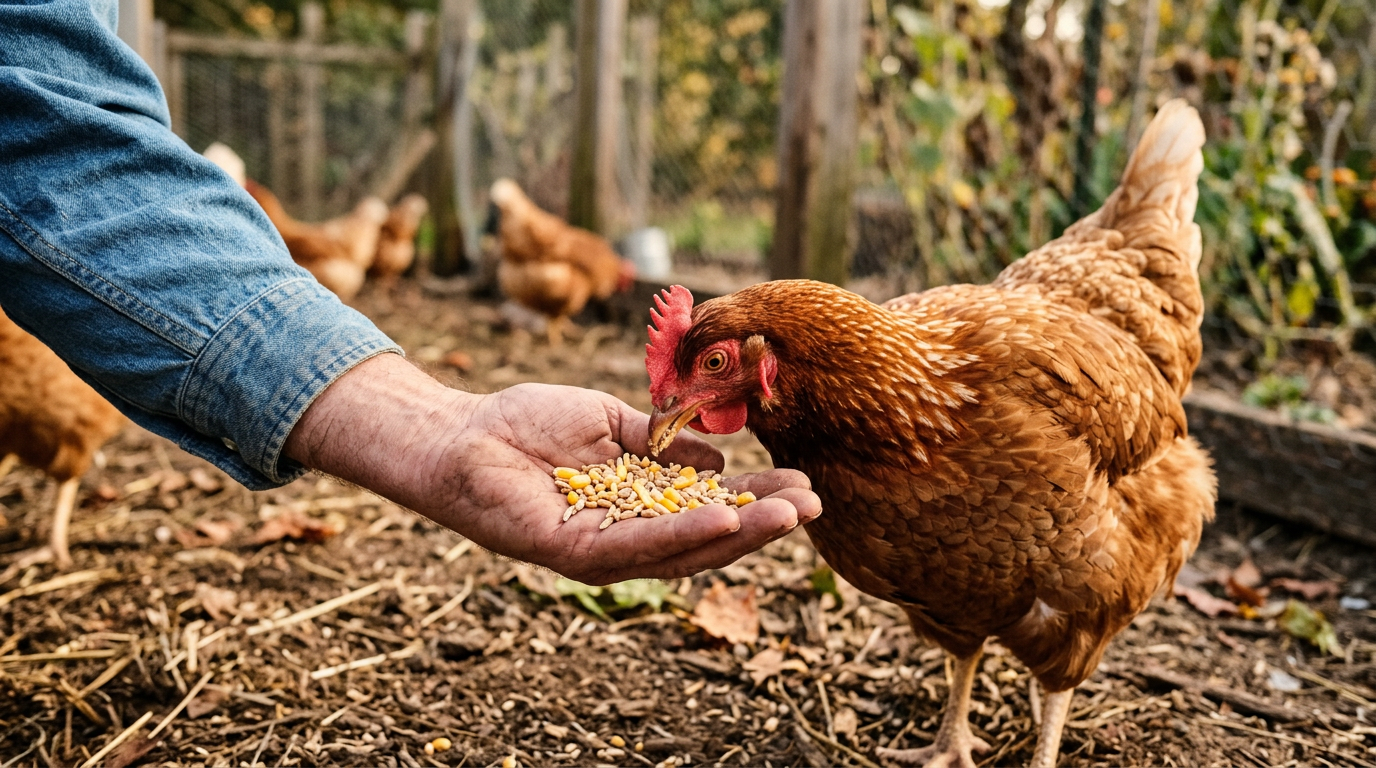
Utah State University Extension identifies them as beginner-friendly, manageable layers.
That makes them appealing for backyard keepers who want high production without the more flighty behavior associated with some lightweight egg breeds.
Some ISA Brown hens become comfortable approaching people, investigating feeding routines, and spending time around their keepers.
However, temperament still varies.
Do ISA Browns Like Being Held?
Some become accustomed to gentle handling.
Others prefer remaining on the ground.
A calm chicken isn't automatically a chicken that enjoys being carried around.
If you want comfortable, approachable birds, consistent gentle interactions while they're young can help.
Are ISA Browns Good With Children?
They can be suitable for family flocks because of their generally docile behavior.
But children should still be supervised around chickens.
Teach them to approach calmly, avoid chasing birds, and handle them only when they can support the body properly.
An ISA Brown's friendly reputation doesn't eliminate ordinary poultry safety and hygiene requirements.
Are ISA Brown Roosters Aggressive?
There isn't enough reliable ISA-specific evidence to assign a universal rooster temperament.
Individual males may behave differently.
Never assume a rooster is safe around children simply because the hens from that hybrid line are generally calm.
Are ISA Browns Noisy?
Reliable breed-specific noise measurements are limited.
ISA Brown hens make normal chicken vocalizations, including social calls, egg announcements, and alarm sounds.
Roosters crow.
Although some keepers describe the hens as relatively quiet, there isn't enough strong evidence to give the hybrid a definitive quietness score.
Do ISA Brown Chickens Go Broody?
ISA Browns generally have a low tendency toward broodiness.
That makes sense for a hybrid selected heavily for egg production.
A broody hen often stops laying while attempting to incubate eggs.
Commercial egg-laying programs place greater emphasis on consistent production than natural incubation.
However, low broodiness doesn't mean broodiness is impossible.
Individual ISA Brown hens may still develop broody behavior.
Are ISA Browns Good Mothers?
They're not usually selected primarily for natural incubation or chick-rearing ability.
If your goal is to hatch chicks regularly using broody hens, consider a breed with a stronger maternal reputation.
Remember that even if an ISA Brown successfully hatches chicks, those offspring won't reliably reproduce the original commercial hybrid's characteristics.
ISA Brown vs. Rhode Island Red
ISA Browns and Rhode Island Reds are often compared because both are reddish-brown chickens that lay brown eggs.
But their breeding histories are quite different.
ISA Browns are commercial hybrids designed for very high egg production. Rhode Island Reds are an established American breed with a traditional dual-purpose background.
| Characteristic | ISA Brown | Rhode Island Red |
|---|---|---|
| Type | Commercial hybrid | Standardized breed |
| Origin | France | United States |
| Main purpose | High egg production | Eggs and traditional dual-purpose utility |
| Egg color | Light to medium brown | Brown |
| Egg production | Approximately 300–320 in productive lines | Often 250–300 in productive lines |
| Adult size | Medium commercial layer | Heavier traditional breed |
| Temperament | Generally calm and docile | Often confident, sometimes assertive |
| Broodiness | Usually low | Variable |
| Breeds true | No | Yes, when properly bred |
| Heritage breed | No | Yes |
| Main advantage | Maximum egg-focused performance | Traditional breed identity and practical versatility |
Which Lays More Eggs?
ISA Browns generally have the stronger production emphasis.
A well-managed ISA Brown may outperform many traditional Rhode Island Red lines.
However, production-focused Rhode Island Reds can also lay substantial numbers of eggs.
For an ordinary backyard flock, actual hatchery lineage still matters.
Which Is Better for Beginners?
Both can be suitable.
ISA Browns are particularly appealing if your main goal is collecting lots of brown eggs.
Rhode Island Reds are worth considering if you prefer an established breed that can be maintained through conventional breeding.
Neither is automatically the better chicken.
The decision depends on whether you value maximum production or traditional breed characteristics more.
Read our Rhode Island Red Chicken Guide for a closer comparison.
ISA Brown vs. Golden Comet vs. Cinnamon Queen
All three names are associated with productive brown-egg-laying hybrids.
But they shouldn't automatically be treated as identical commercial breeding products.
Different hatcheries and breeders may use different parent stock, breeding systems, and product names.
| Trait | ISA Brown | Golden Comet | Cinnamon Queen |
|---|---|---|---|
| Category | Commercial red sex-link hybrid | Red/gold sex-link hybrid | Red sex-link hybrid |
| Main purpose | High brown-egg production | High brown-egg production | High brown-egg production |
| Egg color | Brown | Brown | Brown |
| Early laying | Yes | Yes | Yes |
| Broodiness | Generally low | Generally low | Generally low |
| Breeds true | No | No | No |
| Standardized heritage breed | No | No | No |
| Defining consideration | Proprietary ISA commercial genetics | Hatchery-dependent breeding program | Hatchery-dependent breeding program |
The University of Maine Cooperative Extension groups ISA Browns, Golden Comets, and Cinnamon Queens among productive brown-egg crosses.
But the names alone don't establish that every hatchery uses exactly the same genetic lines.
Which Hybrid Should You Choose?
Look at the specific hatchery's information.
Compare:
- Actual production estimates
- Age at first lay
- Temperament observations
- Egg size
- Bird availability
- Health and vaccination information
- Hatchery reputation
If your goal is maximum egg production, all three categories deserve consideration.
If your goal is preserving a true-breeding heritage flock, none is the obvious fit.
Are ISA Browns Good in Hot and Cold Weather?
ISA Browns are generally adaptable.
The official ISA breeding program reports successful performance across different climates and housing systems.
However, adaptability isn't the same as immunity to temperature stress.
Hot Weather Care
During summer, provide:
- Reliable shade
- Constant access to clean drinking water
- Good airflow
- A properly ventilated coop
- Enough space to avoid crowding
- Areas where chickens can rest away from direct sunlight
Heat stress can decrease feed intake and egg production.
If a chicken becomes severely weak, unresponsive, or distressed in hot conditions, seek prompt veterinary help.
Cold Weather Care
ISA Browns have single combs, which may be vulnerable to frostbite in severe cold.
Provide:
- Dry bedding
- Protection from precipitation
- Ventilation without concentrated drafts
- Unfrozen drinking water
- Appropriate nutrition
- Regular observation of combs and wattles
Like other breeds, ISA Browns may reduce laying when daylight hours shorten.
Their high egg-production potential doesn't guarantee uninterrupted winter eggs.
Read our Chicken Coop Ventilation Guide for year-round housing recommendations.
How Much Space Do ISA Brown Chickens Need?
ISA Browns don't require unusually large coops.
They're medium-sized laying chickens that can use ordinary backyard poultry housing when it's properly designed.
Roosted's standard planning targets are:
- Approximately 4 square feet of usable indoor coop space per hen
- Approximately 10 square feet of outdoor run space per hen
These are comfort targets, not universal biological minimums.
ISA Brown Coop and Run Space
| Hens | Coop Space | Outdoor Run |
|---|---|---|
| 3 | 12 sq ft | 30 sq ft |
| 4 | 16 sq ft | 40 sq ft |
| 6 | 24 sq ft | 60 sq ft |
| 8 | 32 sq ft | 80 sq ft |
| 10 | 40 sq ft | 100 sq ft |
If your birds remain confined most of the day, consider providing more room.
A larger run gives hens opportunities to scratch, forage, dust bathe, and move away from one another.
Use the Roosted Chicken Coop Size Calculator to plan your setup.
Nesting Boxes
For ISA Browns, standard nesting boxes are generally suitable.
One nesting box per approximately four laying hens is a common backyard starting point.
Keep boxes:
- Clean
- Dry
- Comfortable
- Accessible
- Relatively private
Because ISA Browns can lay frequently, consistent egg collection also helps keep nesting areas clean and reduces the time eggs spend in the boxes.
Roosting Bars
Provide stable wooden roosts with comfortable footing and enough room for the flock.
Avoid sharp edges, excessively high landings, and unstable structures.
Can ISA Browns Free-Range?
Yes.
ISA Browns can scratch, forage, dust bathe, and explore like other chickens.
However, their commercial background doesn't guarantee that every bird will behave identically outdoors.
A secure run remains valuable for predator protection.
If you're planning a new enclosure, use the Roosted Chicken Run Builder.
Feeding ISA Brown Chickens
This is an especially important part of caring for high-production layers.
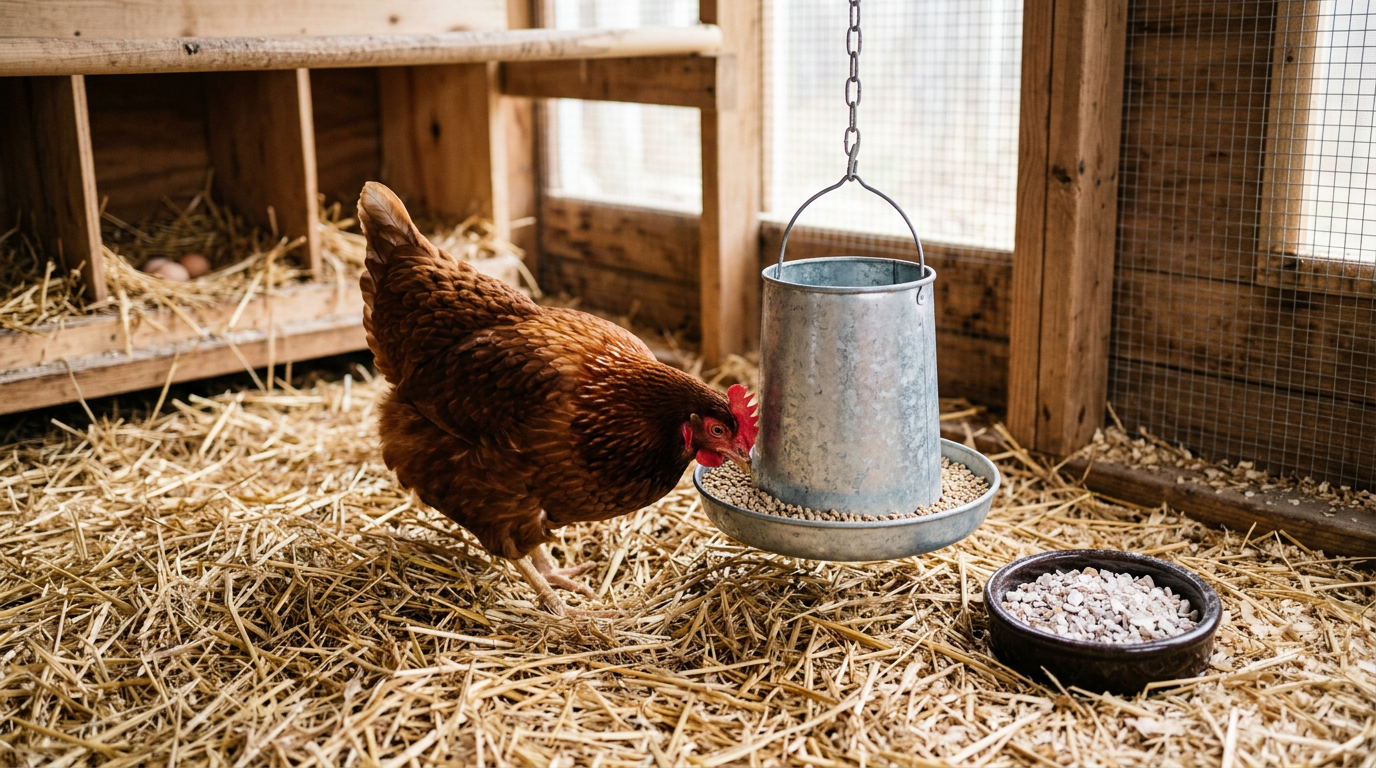
ISA Browns don't need an exotic diet.
They need a properly balanced diet capable of supporting frequent egg production.
Feeding by Life Stage
| Life Stage | Feeding Approach |
|---|---|
| Chicks | Complete chick starter |
| Growing pullets | Appropriate grower feed |
| Approaching laying age | Follow the feed manufacturer's pre-lay or transition guidance |
| Laying hens | Complete layer feed with appropriate calcium and nutrients |
| Mixed-age flocks | Suitable all-flock feeding program with separate calcium for laying hens when appropriate |
| All stages | Continuous access to clean water |
University of Florida IFAS Extension emphasizes that imbalanced diets can cause declines in production and serious reproductive problems.
A laying hen needs adequate:
- Energy
- Protein
- Calcium
- Phosphorus
- Vitamins
- Trace minerals
- Water
Do ISA Browns Need Extra Calcium?
Laying hens need sufficient calcium to form eggshells.
A properly formulated layer ration should provide the nutritional foundation.
Offering coarse oyster shell separately may be useful, especially when keeping mixed-age birds on an appropriate all-flock ration.
However, providing extra calcium doesn't solve every eggshell problem, and indiscriminately feeding high-calcium layer diets to chicks or immature pullets is inappropriate.
Use feed suited to the bird's stage of development.
How Much Feed Does an ISA Brown Eat?
Official ISA commercial data lists average feed consumption of approximately:
- 112 grams per day in its cage-housing performance table
- 122 grams per day in its alternative-housing performance table
Those are breeder performance figures, not mandatory feeding limits for backyard chickens.
Roosted's standard-hen feed calculator uses approximately one-quarter pound per adult bird per day for purchasing estimates.
Actual consumption varies with activity, weather, diet, age, and laying performance.
Never restrict a high-producing hen to a calculator estimate when her nutritional needs require more.
Use our Chicken Feed Calculator to estimate how much feed to buy, then adjust according to actual flock consumption.
Can ISA Browns Live on Kitchen Scraps and Scratch Feed?
Not as their main diet.
Treats, scratch grains, and kitchen scraps can be supplemental.
But replacing too much complete feed with unbalanced extras may reduce nutrient intake.
For a bird capable of producing hundreds of eggs annually, that nutritional imbalance is particularly undesirable.
Keep the balanced ration at the center of the feeding program.
Are ISA Browns Good for Beginners?
Yes.
ISA Browns are a strong option for beginners who want an egg-focused backyard flock.
Their generally calm temperament, early maturity, and high brown-egg production make them straightforward choices for many households.
They don't require special ornamental grooming or giant-breed housing.
However, a beginner should understand the long-term responsibilities that come with keeping a highly productive hybrid.
ISA Browns May Be Right for You If:
- Your main goal is collecting brown eggs.
- You want hens that begin laying relatively early.
- You prefer generally calm chickens.
- You want a productive flock without keeping a rooster.
- You're comfortable monitoring long-term laying health.
- You plan to care for older birds after production declines.
Consider Another Type of Chicken If:
- You're primarily interested in preserving heritage genetics.
- You want a true-breeding flock.
- You want especially unusual egg colors.
- You're looking for a strong natural broody breed.
- You prioritize ornamental appearance over egg numbers.
- You want a traditional dual-purpose chicken.
ISA Browns can be good pets and productive layers.
They just weren't developed around the same goals as heritage chickens.
ISA Brown Chicken Pros and Cons
| Pros | Cons |
|---|---|
| Extremely high egg-production potential | Production declines with age |
| Large brown eggs | Not a true-breeding traditional breed |
| Early laying maturity | High output requires careful nutritional support |
| Generally docile temperament | Reproductive health deserves long-term monitoring |
| Medium body size | Not usually selected for natural broodiness |
| Good feed efficiency | Commercial production figures aren't guaranteed backyard results |
| Suitable for many beginners | No reliable universal breed-specific lifespan |
| Adaptable to different housing systems | Doesn't preserve the original hybrid traits when bred at home |
| Sex-linked chick coloring | Exact commercial genetics aren't reproduced by backyard crosses |
Who Should Raise ISA Brown Chickens?
I'd strongly consider ISA Browns for someone building a small backyard flock primarily to produce eggs.
They're particularly appealing if:
- You want a dependable source of brown eggs.
- Your household uses several dozen eggs weekly.
- You want to begin collecting eggs relatively early.
- You value productive laying more than maintaining a standardized breed.
- You appreciate calm, manageable chickens.
- You're prepared to provide proper nutrition and lifelong care.
Who Might Prefer a Heritage Breed?
If you're interested in breeding your own replacement chickens while maintaining consistent traditional breed characteristics, consider a standardized breed such as Rhode Island Red, Australorp, or Barred Plymouth Rock.
Those breeds also produce useful numbers of eggs.
They simply represent a different breeding philosophy.
The Bottom Line: Are ISA Brown Chickens Worth Raising?
ISA Browns are impressive egg layers.
They mature relatively early, produce large brown eggs, and can provide an enormous amount of food from a relatively small backyard flock.
Their generally calm temperament makes them appealing to beginners and experienced chicken keepers alike.
But the egg numbers are only half the story.
ISA Browns are specialized commercial hybrids, and that means their high-output genetics come with particular long-term management considerations.
Proper nutrition, calcium availability, comfortable housing, and reproductive-health monitoring matter throughout their lives.
It's also worth remembering that their commercial laying cycle doesn't determine how long they can live as backyard chickens.
An older ISA Brown deserves just as much care as a young hen producing six eggs a week.
If your main goal is plenty of brown eggs from a manageable backyard flock, ISA Browns are an excellent option. Just choose them with an understanding of the whole bird, not only her exceptional egg production.
ISA Brown Chicken FAQ
How many eggs do ISA Brown chickens lay?
Productive ISA Brown hens can lay approximately 300–320 brown eggs annually under favorable conditions. Actual backyard production varies by age, nutrition, season, genetics, and management.
When do ISA Brown chickens start laying?
Many ISA Brown pullets begin laying around 18–22 weeks old. Official commercial performance targets show flocks reaching 50% production at approximately 145–150 days of age, although individual hens begin at different times.
How long do ISA Browns lay eggs?
ISA Browns can continue laying for several years. Their highest production is usually during their early laying years, with output declining as they age. Commercial production-cycle lengths should not be confused with the biological age at which a hen stops laying.
How long do ISA Brown chickens live?
There is no dependable universal lifespan range specifically established for backyard ISA Browns. Some may live beyond their peak production years, while genetics, health, reproductive conditions, nutrition, and environment influence individual longevity.
Are ISA Brown chickens friendly?
ISA Browns generally have calm, docile, manageable temperaments. Individual personalities still vary, but they're often suitable for beginners and family flocks.
Are ISA Browns a breed or a hybrid?
ISA Browns are commercial red sex-link hybrids, not traditional standardized heritage breeds. They're produced through a specialized breeding program developed for efficient brown egg production.
Can you breed ISA Browns true?
No. Breeding ISA Brown hybrids together won't reliably recreate the original commercial cross. Offspring may vary in appearance, egg production, temperament, and sex-linked chick markings.
What color eggs do ISA Browns lay?
ISA Brown hens lay brown eggs, generally in light to medium brown shades. Their eggs are usually large when the hens reach maturity.
Are ISA Browns good for beginners?
Yes. Their generally calm temperament, early laying, and high egg production make them attractive beginner chickens. Owners should still understand the importance of balanced nutrition and long-term reproductive-health monitoring.
Do ISA Brown chickens go broody?
Usually not often. ISA Browns have been selected heavily for egg production, and broodiness is generally uncommon, although individual hens can still become broody.
Are ISA Browns the same as Golden Comets?
Not necessarily. Both belong to the broader category of productive red sex-link hybrids, but their commercial breeding programs and parent lines may differ. Some hatcheries use overlapping marketing names, so check the specific supplier.
Do ISA Browns need a rooster to lay eggs?
No. ISA Brown hens lay eggs without a rooster. A fertile rooster is needed only if you want fertilized eggs for hatching.
Keep Reading
Planning a productive backyard flock? These Roosted resources can help:
- Chicken Breed Finder — Compare ISA Browns with heritage breeds and other productive hybrids.
- Chicken Egg Production Calculator — Estimate eggs per week, month, or year.
- First Egg Calculator — Estimate when your ISA Brown pullets could start laying.
- Chicken Feed Calculator — Estimate feed purchases and monthly costs.
- Rhode Island Red Chicken Guide — Compare ISA Browns with a traditional American brown-egg layer.
- How Often Do Chickens Lay Eggs? — Understand normal laying frequency and seasonal changes.
- Why Are My Chickens Not Laying Eggs? — Troubleshoot reduced production.
- How Many Chickens Should I Get? — Plan a flock around household egg use, space, and costs.
Sources & Further Reading
- ISA / Hendrix Genetics — ISA Brown — Official hybrid performance, extended production targets, egg numbers, body weight, and feed efficiency.
- ISA / Hendrix Genetics — ISA Brown Alternative Housing — Commercial production benchmarks for alternative housing systems.
- Hendrix Genetics — Color Sexing in Day-Old Chicks — ISA Brown red sex-link genetics, male and female chick colors, and why the hybrid doesn't breed true.
- ISA — Our Heritage — Development of the ISA breeding organization and history of its commercial laying programs.
- Utah State University Extension — Managing Chickens From Chicks to Peak Egg Production — ISA Brown annual production, temperament, hybrid classification, and laying-management considerations.
- University of Maine Cooperative Extension — Choosing a Bird for the Home Flock — Comparison of commercial brown-egg crosses and traditional poultry breeds.
- Ask Extension — Breeding ISA Browns — University Extension explanation of ISA Brown hybrid reproduction.
- University of Florida IFAS Extension — Factors Affecting Egg Production in Backyard Chicken Flocks — Age-related production declines, balanced nutrition, and reproductive-health concerns.
- Merck Veterinary Manual — Calcium Metabolism Problems in Hens — Calcium balance, skeletal health, and risks associated with high egg production.
- Merck Veterinary Manual — Egg Peritonitis in Poultry — Reproductive disease mechanisms and flock-health considerations.
- Oregon State University Extension — Why Did My Chickens Stop Laying? — Aging, egg binding, reproductive changes, and declining production.
- University of Minnesota Extension — Raising Chickens for Eggs — Balanced diets, oyster shell, housing, and everyday backyard laying-hen care.
- Murray McMurray Hatchery — Red Star — Hatchery-specific red sex-link descriptions, early maturity, and commercial naming conventions.